
12 Best Cities to Move to in Peru in 2026 Ranked by Expats
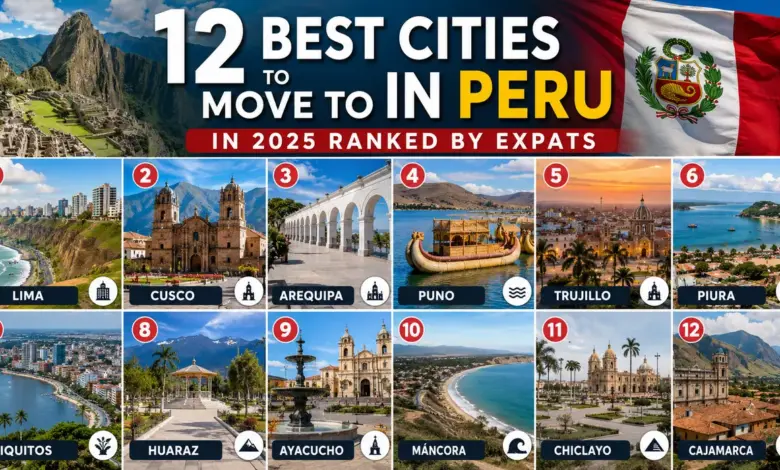
Considering a move to Peru in 2026? You’re making a fantastic choice. This vibrant country seamlessly blends diverse landscapes including stunning coastlines, majestic Andes mountains, and the expansive Amazon jungle. Its cities range from bustling metropolises to charming highland towns and tranquil jungle hubs. Whether you’re seeking a lively urban environment, a relaxed mountain retreat, or a nature-filled sanctuary, Peru offers options that cater to every lifestyle. The cost of living remains surprisingly affordable, culinary experiences are world-class, and the warm-hearted Peruvians are eager to welcome newcomers once you settle into the rhythm of local life.
This comprehensive guide explores twelve of Peru’s most livable cities, highlighting key factors such as housing affordability, safety, healthcare access, educational facilities, digital connectivity, transportation options, cultural vibrancy, and outdoor recreational opportunities. Whether you’re contemplating relocation for work, study, retirement, or adventure, this resource will help you navigate the nuances of each city to find your ideal new home in Peru.
How to Use This Guide
For each city, you’ll find an insightful snapshot covering the city’s vibe, reasons to consider moving there, neighborhood highlights, estimated monthly budgets, climate overview, healthcare resources, internet and connectivity tips, plus a balanced list of advantages and disadvantages. To make your transition smoother, there’s also a detailed 7-day “settle-in” plan to help you acclimate efficiently. All price ranges are provided in US dollars, based on comfortable living standards for singles or couples, though individual expenses may vary depending on personal preferences and lifestyle.
What Defines an Attractive City in Peru in 2025?
To determine the attractiveness of a city in Peru, several factors come into play, including:
Housing Market: Availability of well-appointed apartments and homes in safe neighborhoods at reasonable rents.
Living Expenses: Costs associated with groceries, dining out, utilities, mobile data, and transportation.
Healthcare Infrastructure: Proximity to reputable clinics and hospitals, along with options for private healthcare and insurance.
Connectivity: Reliable internet services, whether through fiber optic connections or mobile networks, capable of supporting remote work.
Safety: Neighborhood-level safety, along with general city safety habits.
Community and Language: Presence of expat networks, local language schools, coworking spaces, and community groups.
Transportation: Quality of local transport options, including buses, taxis, airports, and walkability or bike-friendliness.
Lifestyle and Environment: Cultural scene, culinary offerings, green spaces, climate, and opportunities for weekend escapes to nature or coastlines.
Now, let’s explore each city’s unique qualities and what makes it appealing in 2026.
Capital Spotlight: Lima – The World at Your Doorstep
The Urban Beat
Lima stands as Peru’s vibrant economic and cultural hub. This sprawling metropolis pulses with energy, offering a cosmopolitan vibe that combines history with modern sophistication. It’s a city where culinary innovation thrives—home to renowned chefs and a thriving food scene that spans traditional criollo dishes to avant-garde gastronomy.
Why Consider Moving to Lima?
If you crave a dynamic environment with abundant job opportunities, high-speed internet, an international community, and excellent healthcare, Lima is unmatched. The city’s neighborhoods cater to various lifestyles, from upscale districts to more affordable options.
Neighborhoods to Explore
Miraflores: Known for its walkability, seaside parks, and lively cafes. It’s ideal for remote workers and expatriates seeking safety and convenience.
Barranco: The artistic soul, with its colorful streets, bohemian vibe, and cultural hotspots. Perfect for creatives and social personalities.
San Isidro: The business heart of Lima, featuring modern offices, upscale parks, and boutique shopping.
Value Options: Pueblo Libre, Magdalena del Mar, parts of Surco — offering more affordable rents while still providing access to city amenities.
Monthly Living Costs
Single Professional: Budget around $1200 to $2500 for monthly expenses. Rent for a one-bedroom apartment can start from $500, with higher-end units charging up to $1200. Utilities typically add about $60-$120, with home fiber internet costing approximately $25-$45. Dining varies, from street eats at a few dollars to fine dining experiences.
Couples and Families: Expect monthly budgets between $2000 and $3500, depending on housing choices and lifestyle preferences.
Climate Overview
Lima experiences a mild coastal desert climate. Winters (June to September) are cool and often cloudy, while summers (December to March) are temperate, sunny, and dry. Humidity can sometimes be high, and rain is infrequent.
Connectivity and Healthcare
Peru’s internet infrastructure is robust in Lima, with fiber optic options providing speeds from 200 to 600 Mbps in prime areas. Many coworking spaces are available to support remote working. Healthcare facilities are top-tier, with private clinics and specialized hospitals that accept international insurance.
The Perks
Lima offers a bustling cultural calendar, vibrant culinary scene, and diverse job market. It’s the perfect blend of modern comfort and rich history.
Challenges
Traffic congestion and lengthy commutes can be a downside. Winters tend to be grey and overcast, and living in the city center can be costly.
7-Day Start-Up Plan
First, rent a short-term apartment in Miraflores or Barranco to get settled. Set up your local phone SIM card with providers like Claro, Movistar, or Entel. Tour neighborhood apartments with trusted agents, noting security and noise levels. Get internet installed and run speed tests. Register with a private healthcare provider, learn how to make appointments, and explore coworking options. Spend your days discovering local markets, parks, and the historic city center. Practice your bus and metro routes, noting peak traffic times, so you’re ready to navigate smoothly.
Arequipa – The White City of the South
A Sun-Drenched Oasis
Arequipa radiates elegance with its stunning colonial architecture set against the backdrop of El Misti volcano. Known as the “White City” due to its buildings made from sillar, a white volcanic stone, its climate is sunnier and warmer than Lima’s.
Why Make Arequipa Your Home?
Ideal for those craving a relaxed, friendly environment without sacrificing necessary amenities. The city offers a high quality of life, with good healthcare, moderate costs, and a beautiful historic center.
Neighborhood Highlights
Yanahuara: Offers beautiful views, safe streets, and a charming atmosphere—popular among expats.
Cayma: Modern homes, shopping centers, and quick access to city amenities.
Selva Alegre and Vallecito: Residential zones with parks, schools, and calm streets.
Budget Overview
Single Resident: Monthly costs between $800 and $1600. Modern apartments range from $350 to $700 for one-bedroom units, while larger accommodations cost between $600 and $1100.
Families and Couples: Expect to spend between $1400 and $2400 monthly, based on housing choices and lifestyle.
Climate Essentials
Arequipa enjoys high desert conditions, with warm days and cool nights. Rainfall is rare, making outdoor activities pleasant most of the year.
Connectivity and Healthcare
Fiber optic internet services usually offer speeds from 100 to 300 Mbps. The city’s healthcare system features reputable private clinics and hospitals, with many doctors speaking English and accepting international insurance.
Why Choose Arequipa?
Sunny weather, an inviting historic center, and lower living costs make this a compelling choice. The city also makes an excellent base for exploring nearby attractions like Colca Canyon.
Potential Drawbacks
The city’s altitude of approximately 2,300 meters can cause some initial adjustments. The local job market is smaller than Lima’s, often focusing on tourism and small businesses.
Tips for Moving
Look for apartments with good insulation to handle temperature swings. Embrace the slower pace and enjoy the friendly local community.
Cusco – The Heart of the Highlands
A Cultural and Historical Treasure
Perched at about 3,400 meters above sea level, Cusco is a UNESCO World Heritage site and the gateway to Machu Picchu. Its cobbled streets, vibrant festivals, and deep inca roots make it a captivating destination.
Why Relocate to Cusco?
Perfect for remote workers, adventurers, artists, and entrepreneurs in tourism. The city offers a rich cultural scene, thriving markets, and a close-knit community.
Neighborhoods to Know
San Blas: Artistic, bohemian, with charming alleyways, but streets are steep.
La Recoleta and Wanchaq: Quieter residential zones offering a peaceful environment.
San Sebastián and Magisterio: Modern buildings and favorable access to shopping and services.
Budget Estimate
Single Resident: Allow $900 to $1700 per month. One-bedroom apartments generally cost between $400 and $800, while larger units range from $650 up to $1200.
Families and Couples: Typically spend between $1500 and $2500 monthly.
Climate and Environment
Cusco’s dry season runs from May to October with clear, sunny days. Winters can be chilly, especially at night, with a rainy season from November to March that can bring dampness and mud.
Connectivity and Healthcare
Fiber internet is available, with speeds often between 50 and 200 Mbps. Healthcare resources include private clinics and dental practices, many accommodating English-speaking patients.
Why Move Here?
Deep cultural immersion, scenic outdoor activities, and affordable living make Cusco appealing. It’s particularly suitable for those seeking a slower lifestyle surrounded by history.
Considerations
Altitude sickness can affect some newcomers; proper acclimatization and suitable housing with good sunlight are essential. Flights can be weather-dependent, so plan accordingly.
Coastal Charm and Cultural Riches: Trujillo
A City of History and Beaches
Known as the “City of the Eternal Spring,” Trujillo combines archaeological wonders like Chan Chan with lively beach towns like Huanchaco. It’s a quieter alternative to Lima, with strong cultural roots.
Reasons to Call Trujillo Home
The city offers a relaxed pace, vibrant festivals, and proximity to surf and archaeological sites. It’s suited for families, remote workers, and history buffs.
Neighborhoods
El Golf and Primavera: Safe, modern neighborhoods with contemporary amenities.
Historic Center: Filled with colonial architecture and local markets, though some buildings may require maintenance.
Budget Breakdown
Single Residents: Monthly expenses range from $700 to $1400. One-bedroom apartments start around $300, with larger units costing up to $900.
Families and Couples: Estimated at $1200 to $2100 per month.
Climate Conditions
Trujillo enjoys a mild climate with warm days and cool evenings. Rainfall is minimal, and the city often experiences pleasant breezes.
Connectivity and Healthcare
Fiber optic internet is becoming more common; test each property’s connectivity individually. Healthcare facilities include reputable private clinics, with many bilingual professionals.
Perks
Affordable living, rich cultural traditions, and easy access to coastal leisure spots make Trujillo a compelling choice.
Possible Challenges
International flights are fewer compared to Lima; select neighborhood locations carefully to ensure safety and convenience.
Northern Sun and Sand: Piura
Gateway to Northern Beaches
Piura is a lively, warm city situated near popular beach destinations like Máncora and Los Órganos. Its sunny climate and friendly atmosphere make it ideal for beach lovers and outdoor enthusiasts.
Top Reasons to Move to Piura
The city offers warm weather year-round, a growing expatriate community, and excellent access to the Northern coast’s pristine beaches.
Neighborhoods and Living
Centro de Piura: The historic heart, with markets and traditional eateries.
Miraflores and San Eduardo: Residential zones with access to schools, malls, and services.
Budgeting for Daily Life
Monthly costs vary from $900 to $1800. Rents for a one-bedroom apartment are typically $350 to $700; larger units for families go up to $1100.
Climate and Environment
Piura experiences high temperatures and abundant sunshine, making it perfect for outdoor activities, especially beach trips on weekends.
Connectivity and Services
Fiber internet is available in most neighborhoods, with speeds adequate for remote work. Healthcare facilities are reputable, with clinics and hospitals equipped for international patients.
Lifestyle Perks
This city blends urban living with quick access to some of South America’s best beaches. It’s perfect for those who want a warmer climate and a relaxed lifestyle.
This is just a glimpse into what makes Peru an extraordinary place to live in 2026. Each city offers a unique blend of culture, environment, and opportunities, catering to a wide range of preferences and lifestyles. Whether you prefer the cosmopolitan buzz of Lima, the historic charm of Cusco, the sunny serenity of Arequipa, or the coastal relaxation of Trujillo and Piura, Peru welcomes you with open arms. Prepare to explore, adapt, and thrive in this diverse and vibrant country that continues to captivate expatriates from around the world.